

Thyroid Disorders In Malad West
- Home
- Thyroid Disorders In Malad West
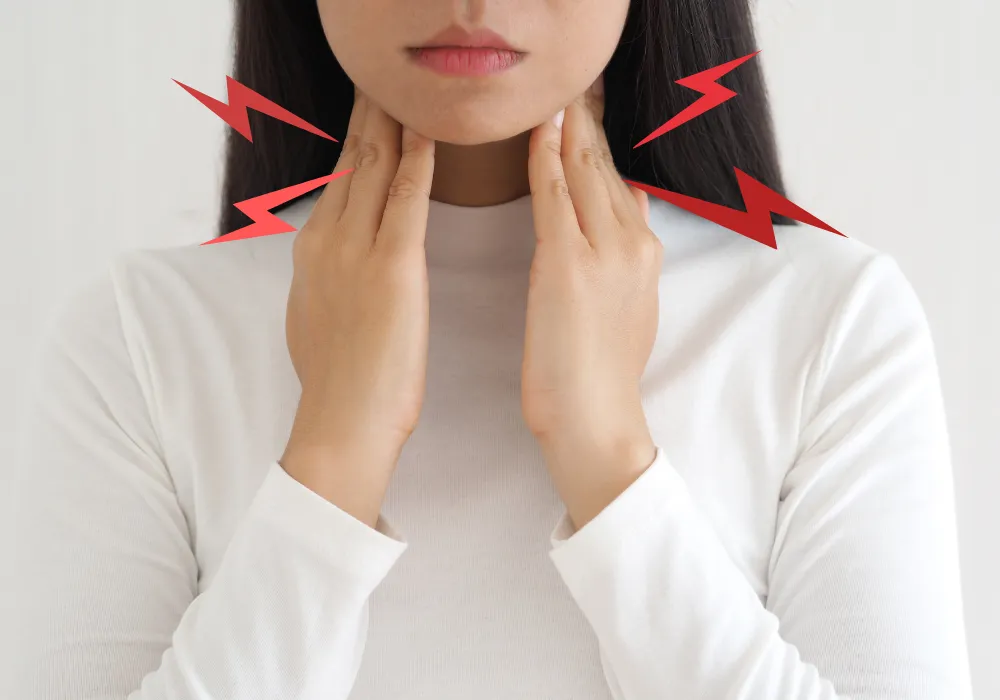
Thyroid Disorders Treatment in Colaba: Expert Care for Hormonal Balance
Are you experiencing unexplained fatigue, sudden weight changes, or persistent brain fog? These are often the first signs that your thyroid gland—a small, butterfly-shaped organ in your neck—is struggling to keep up.
Thyroid health is the foundation of your metabolism. When your thyroid is out of balance, every system in your body slows down or speeds up excessively. At our clinic in Colaba, we specialize in the comprehensive diagnosis and management of thyroid conditions, helping you restore your energy and long-term health.
Personalized Medication Management
Not everyone responds the same way to standard thyroid medication. We work with you to find the right dosage and type of hormone replacement therapy to ensure you feel your best, not just "within range."
Our Approach to Thyroid Care in Colaba

Nutrient Support for Thyroid Health
Your thyroid requires specific micronutrients to function, such as Selenium, Iodine, and Zinc. We assess your nutritional status and provide guidance on diet and supplementation to support your gland naturally.
Symptoms You Shouldn't Ignore
Thyroid symptoms are often subtle and can be mistaken for general stress or aging. If you live or work in the high-pressure environment of Colaba, watch for these signs:
Energy Levels: Feeling exhausted even after a full night’s sleep.
Temperature Sensitivity: Feeling unusually cold when others are comfortable, or excessive sweating.
Skin and Hair Changes: Dry, itchy skin or thinning hair and brittle nails.
Mental Health: Anxiety, irritability, or a “cloudy” memory.
Menstrual Issues: Heavier, lighter, or irregular periods in women.
Understanding Thyroid Function
The thyroid gland produces hormones (T3 and T4) that regulate how your body uses energy. It acts as the “master controller” of your metabolism. If it produces too little hormone, your body functions slow down; if it produces too much, they accelerate.
Common Types of Thyroid Disorders
Hypothyroidism (Underactive Thyroid): Your metabolism slows down, leading to weight gain, cold intolerance, and depression.
Hyperthyroidism (Overactive Thyroid): Your metabolism speeds up, causing heart palpitations, anxiety, and sudden weight loss.
Hashimoto’s Thyroiditis: An autoimmune condition where the body attacks its own thyroid tissue—the most common cause of hypothyroidism.
Thyroid Nodules and Goiter: Physical enlargements or lumps in the thyroid gland that require careful monitoring and evaluation.
Your Questions Answered
1. My TSH is "normal," so why do I still have symptoms?
The “normal” range for TSH is quite broad. Many patients experience symptoms even when they are at the high or low end of that range. We focus on “optimal” levels rather than just “normal” levels, treating the patient, not just the lab report.
2. Can diet alone fix a thyroid problem?
While diet is a powerful tool for supporting thyroid health—especially in autoimmune cases—most clinical thyroid disorders require a combination of medical therapy and lifestyle changes for safe and effective management.
3. Is thyroid medication a lifelong commitment?
It depends on the cause. Conditions like Hashimoto’s or post-surgical hypothyroidism usually require long-term support. However, some temporary thyroid imbalances (like postpartum thyroiditis) may resolve over time with proper monitoring.
4. How often should I get my thyroid checked?
Once stabilized on medication, a check-up every 6 to 12 months is standard. However, if you are experiencing new symptoms or are planning a pregnancy, more frequent monitoring is necessary.
5. Can thyroid issues affect my fertility?
Yes. Thyroid hormones play a vital role in ovulation and pregnancy maintenance. Balancing your thyroid is often a key step for women in Colaba who are struggling with fertility or recurring pregnancy loss.